 Stook
Scale slips
Gross, tare and net, with the field, bin and customer — entered in seconds from the cab.
For grain farms & seed cleaning
Every load in and out becomes live inventory, field costs and invoices — with grain prices and the forecast on the same screen. Simple enough to use from the truck.
Bring your own bins, fields and customers — set up takes minutes.
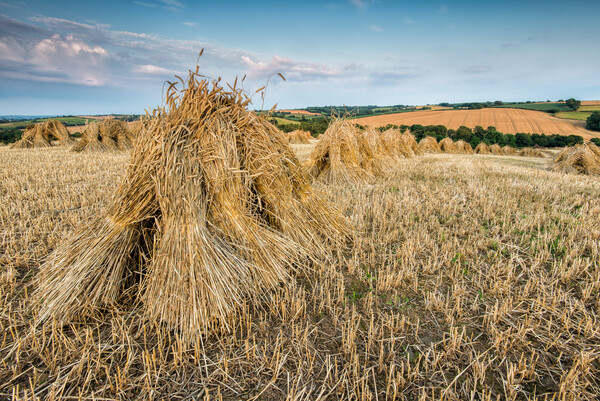
stook/sto͝ok/noun
A group of sheaves of cut grain stood on end in the field and leaned together, heads up, so the crop dries in the wind and sheds the rain before threshing.
Everything the farm gathers, standing in one place. That is the idea.
From the scale to the bin
Punch in gross and tare — Stook does the rest. Net weight, which bin it went into and which field it came off. Inventory updates the moment the truck pulls away, so the bin board is never a guess.
New scale slip
Slip #
10078
Product
Canola
Gross (lb)
70,215
Tare (lb)
30,910
Net: 39,305 lb
Save + add another
Save slip
Market prices
as of 7:00 a.m.
| Commodity | $ / t | Day | Month |
|---|---|---|---|
| Wheat — HRW (KC) | $372.08 | +1.0% | +8.7% |
| Oats (CBOT) | $292.20 | +3.4% | +4.1% |
| Canola (cash bid) | $720.00 | −0.4% | +2.2% |
Market insight
What moved: oats are the standout, up 3.4%, while wheat firmed on slipping crop condition ratings. Worth watching — the next crop progress report and late-August weather across the northern plains.
Costs and value
Every input booked against the field it went on, totalled per acre for the crop year. On the other side, futures and local cash bids refresh twice a day, so the value standing in your bins is a number rather than a hunch.
Billing and crew
Cleaning 500 bushels for a neighbour is a task, ten logged hours, an outbound load and an invoice — Stook keeps them as one thread. Pick the loads and the hours, and the invoice builds itself.
INV-2026-000148
SENTFrank Farms · due Oct 20
| Description | Qty | Amount |
|---|---|---|
| Seed cleaning — CWRS wheat (task) | 10 hr | $950.00 |
| Canola — slip #20032 (load) | 21.7 t | $15,624.00 |
Tax (5%): $828.70
Total: $17,402.70
One place for the grain, the ground, the crew and the customers — instead of a glovebox full of tickets and a spreadsheet nobody trusts.
Gross, tare and net, with the field, bin and customer — entered in seconds from the cab.
On-hand by product in tonnes, pounds and bushels, valued at today’s prices.
What is in each bin, with capacity and fill, straight from the slips you already record.
Seed, fertilizer, chemical, fuel and custom work per field, per acre, per crop year.
PDF invoices with your logo, built from delivered loads or billable hours.
Futures and local cash bids twice a day, with day, week and month movement.
A short daily read on what moved, why, and what it means for what is in your bins.
Local forecast with wind and precipitation, on the dashboard where you plan the day.
Assign work, flag the weather-sensitive jobs, and roll hours into payroll reports.
Add your bins, fields and products, then record the next load that crosses the scale.
Set up your farm